Recreation is one of the four pillars of a zoo. While the other three pillars - species conservation, research, and education - are actively communicated externally, recreation is merely taken for granted. Undoubtedly, recreation is almost always a reason for visiting a zoo, but visitors are not actively educated about this topic. This is precisely where the developed project comes in, contributing to promoting more conscious recreation through mindfulness offerings.
The project began with a research phase. Using social research methods, the interests and expertise of co-designer Cathi were identified. It was found that Cathi is a very nature-oriented person who prefers being outdoors, enjoys gardening, and consciously appreciates the sensory impressions offered by nature.

The found Qualities were: Recreation, Animals, Nature, People, Gardening and Mindfulness
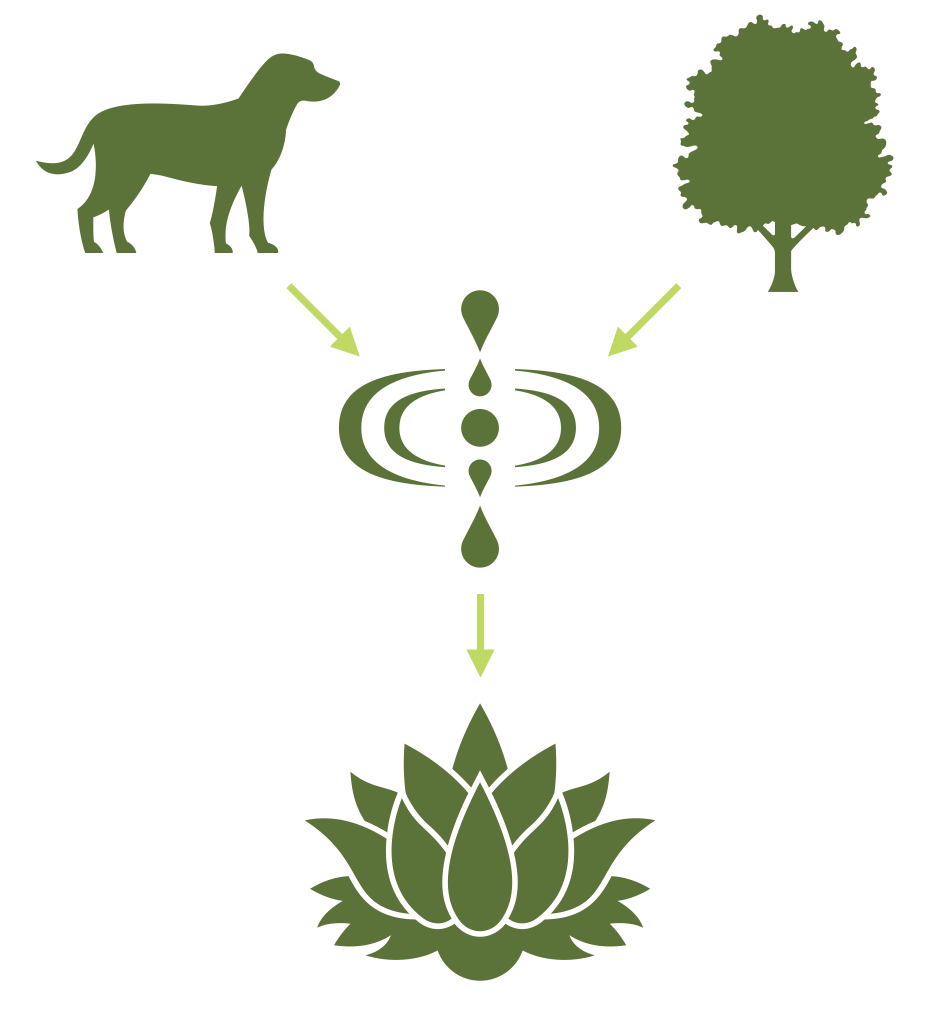
From these insights, the design question was developed to define a project direction tailored to the co-designer's qualities: How can my design contribute to using sensory experiences in nature for the well-being of zoo visitors? Subsequently, generative work was done together on this question, and the final concept of the sensory garden was developed.
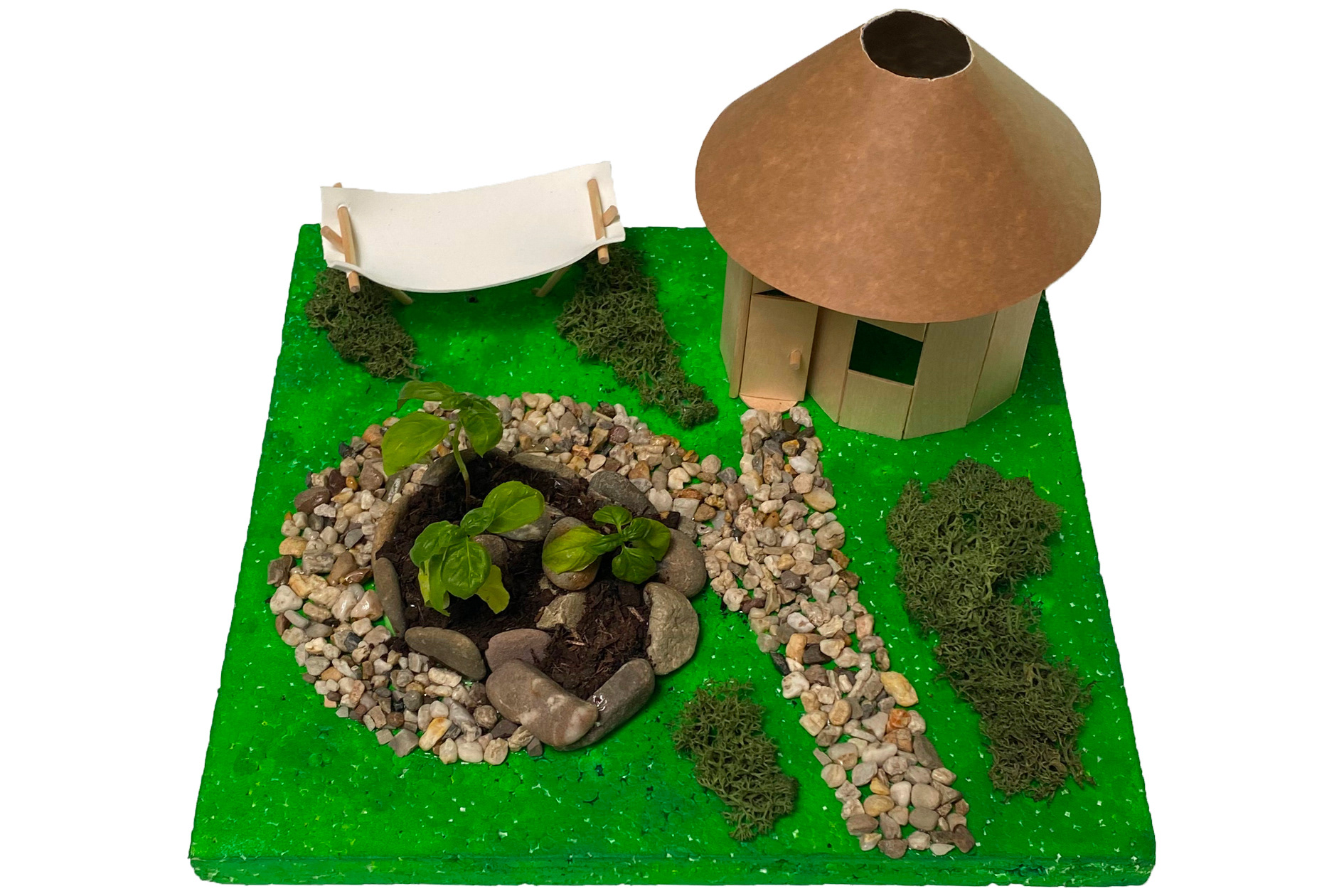
The jointly developed "all-weather Garden of the Senses" aims to offer a variety of natural sensory experiences year-round. Sensory experiences in nature have been proven to increase well-being, reduce stress, and promote relaxation and recovery, both mentally and physically. To ensure this, the garden includes raised garden beds, herb spirals, and is to be located in a green area. Relaxation options such as benches and hammocks are intended to allow visitors to retreat to this quiet area and perceive their surroundings. With or without the optional sensory tasks, visitors can then gather self-experiences related to their senses.
To offer sensory experiences year-round, a fire hut was also planned, where visitors can grill and stay overnight. The fire provides experiences for various senses, such as seeing, hearing, smelling, and feeling. A grill box from a local partner is also intended to make the smoky taste experienceable.
In this way, the sensory garden offers the zoo the opportunity to introduce visitors to knowledge about mindfulness through self-experiences. Through this knowledge, visitors can perceive and enjoy recreation more consciously.